
Modular systems to launch and receive pipeline pigs safely: the station where cleaning, product separation and in-line inspection of natural gas and hydrocarbon pipelines begin and end.
The pig is a device that travels inside the pipeline pushed by the gas itself. Depending on the type, it scrapes deposits and liquids out, separates one product from another, or carries instruments that record wall thickness, dents and corrosion. The launcher puts it into the line and the receiver takes it out, while the pipeline keeps flowing.
| Where | Why |
|---|---|
| Gas transmission pipelines | Routine cleaning and in-line inspection programs. |
| Distribution laterals and industrial parks | Liquids and debris out before they reach the metering station. |
| New pipelines | Cleaning after construction and before commissioning. |
| Hydrocarbon lines | Product separation and maintenance. |
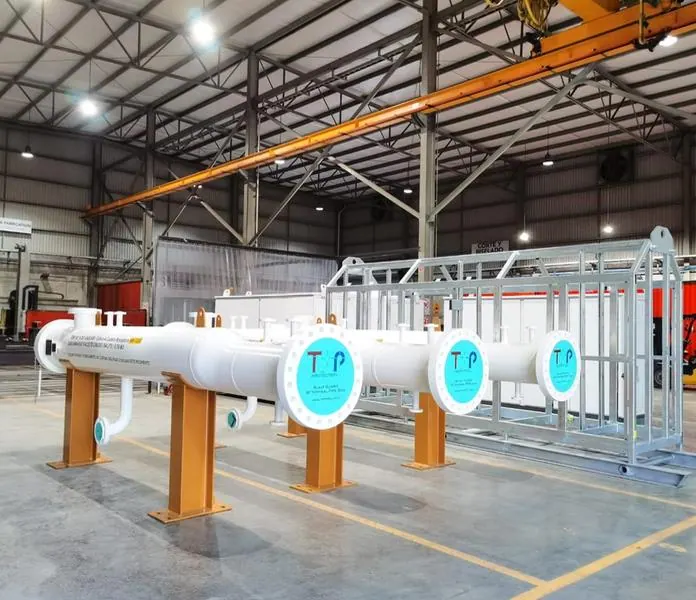
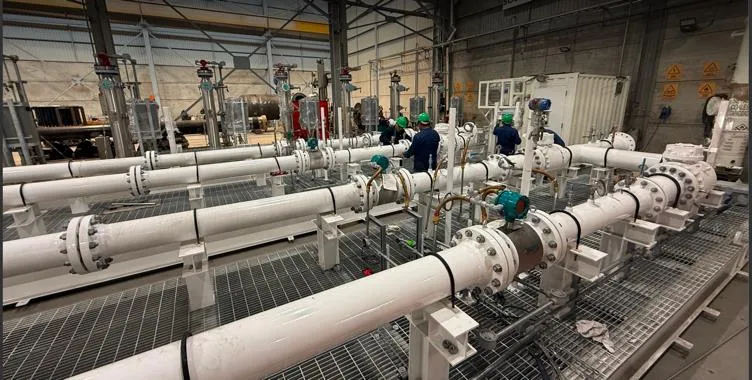
The pipeline keeps flowing. The pig goes in and comes out.
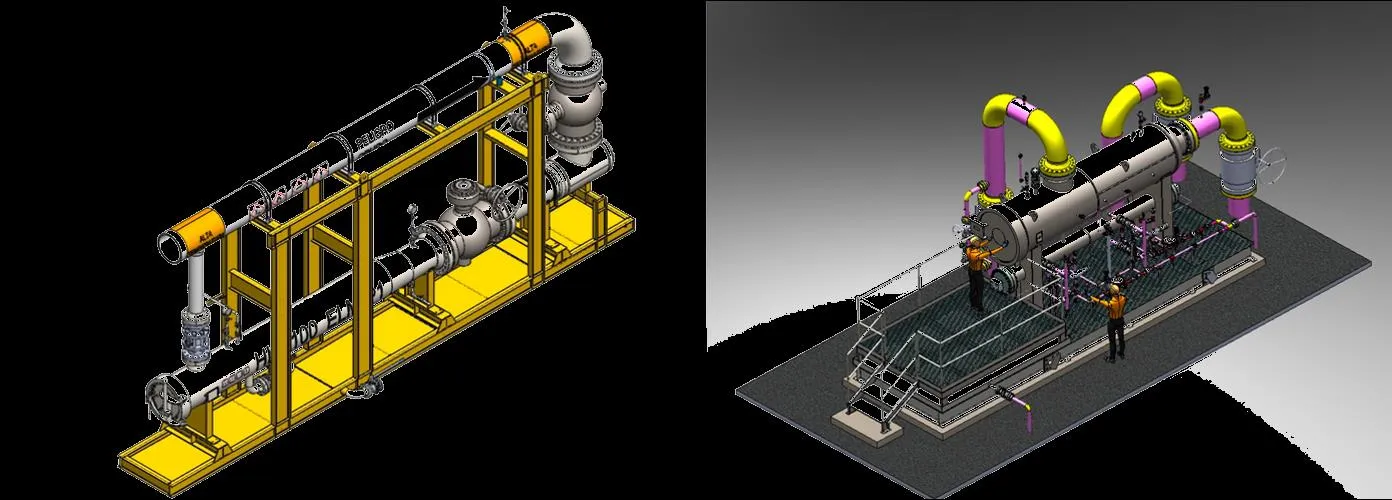
Conceptual, basic and detailed, by a team of mechanical, civil, process, instrumentation, automation and piping engineers.
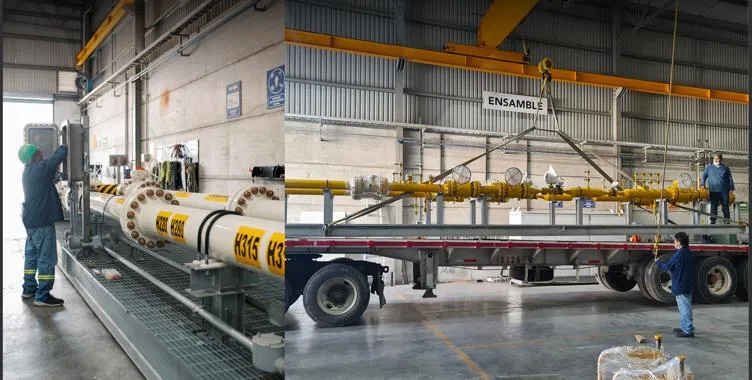
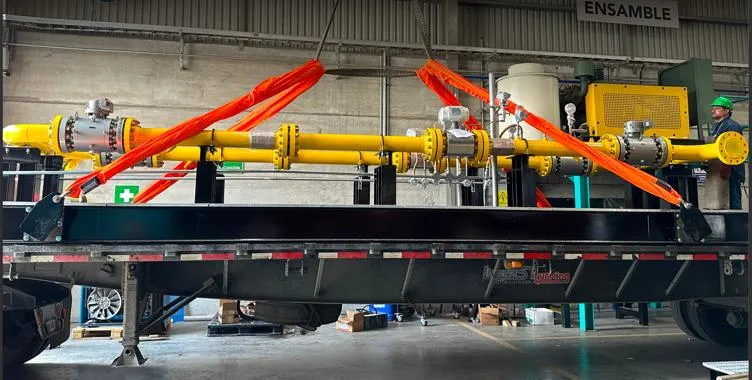
In the Santa Catarina plant, with ASME code pressure vessels and factory testing.
The skid ships ready to install. Monterrey is a day’s drive from the US border.
Commissioning on site and technical documentation.

Plant, standards and process: INOVA company presentation, 2025.
CO₂ analysis with gas and fire detection and a redundant instrument air compressor, engineered beyond Mexican Official Standards.
Natural gas distribution for the Interpuerto industrial park in Salinas Victoria, Nuevo León.
Natural gas transportation and distribution in southeastern Mexico, Mérida, Yucatán.
Projects by INOVA, from its natural gas portfolio.
Buying each skid from a different vendor stretches engineering and multiplies failure points. INOVA builds the four families under one roof.
Pre-assembled skids that measure natural gas and other gases for custody transfer.
How it worksCompact, pre-assembled units that reduce natural gas pressure and hold it steady and safe, with control and safety valves and real-time instrumentation on a skid.
How it worksMetal-housed units for natural gas pipelines and hydrocarbon processing that remove solid, liquid and aerosol contaminants before they reach meters, regulators and turbines.
How it worksThe launcher is at the start of the run and puts the pig into the line; the receiver is at the end and catches it. Both have the same parts: pressure vessel, quick-opening closure, valves and instrumentation.
Yes, that is what the trap is for: the valves isolate it from the line to load or unload the pig, and the gas keeps flowing through the main pipe.
Pipeline diameter, pressure class, pig type (cleaning or inspection), fluid and site location. If there is an applicable standard (NOM, ASME, API), tell us.
INOVA designs and builds under ASME, API, NOM and NACE standards; the pressure vessel is manufactured to ASME code.
Gas composition and flow, inlet and outlet pressure, site and applicable standard. Together with INOVA we answer with the skid your project needs.
info@giman.com · +1 832 408 9841 (WhatsApp)
Cleveland, Texas · Mexico · Canada